Home Care Options: Customized Support for Older Adults
Home care services play an essential role in assisting seniors as they navigate daily life. These programs provide customized support adapted for individual needs, promoting independence while maintaining safety. Beyond physical tasks, they also deliver emotional support, tackling feelings of isolation. Understanding the various aspects of home care can be complex, yet it is crucial for families looking for the best options for their loved ones. The next steps in this journey are critical.
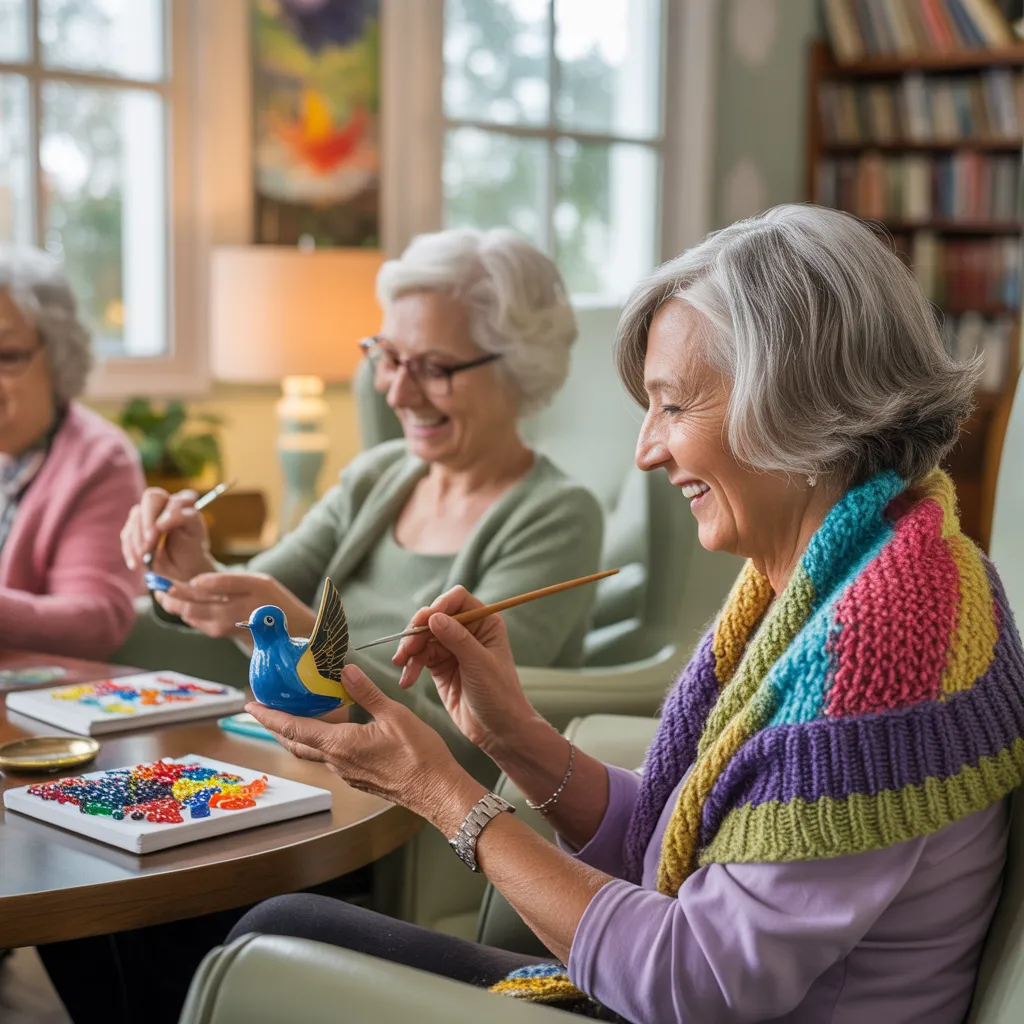
Why Older adults Need Residential care Services
As older adults age, their capacity for everyday tasks often diminishes, requiring home care services. Many people face challenges such as mobility issues, chronic health conditions, and cognitive decline, making routine activities increasingly difficult. Home care services offer vital assistance, enabling seniors to preserve autonomy while getting personalized assistance tailored to their unique needs.
These offerings often provide help with meal preparation, medication management, and personal hygiene, which can significantly improve the standard of living. Moreover, in-home care addresses the mental health of elderly individuals by offering friendship and social engagement, decreasing feelings of loneliness and isolation.
Additionally, home care alternatives are flexible, allowing families to modify the level of care as their loved one's needs shift. This versatility ensures that seniors get the proper support, creating a safe and nurturing environment for aging in place. Ultimately, home care alternatives are important for supporting health and dignity in the later stages of life.
Steps to Analyze Your Dear One's Needs
How can families accurately identify the particular requirements of their aging loved ones? Evaluating these needs begins with open communication. Families should participate in honest conversations, enabling seniors to share their preferences and concerns. Monitoring daily routines can also offer understanding into aspects needing support, such as movement difficulties or difficulty with household tasks.
Moreover, households can conduct a thorough evaluation by consulting healthcare providers who can determine health-related needs. This may involve visiting the loved one's doctor or examining recent medical records. It is crucial to take into account emotional and social needs, as social interaction and psychological health are critical for seniors.
Finally, families should evaluate the home environment to detect potential hazards or modifications essential for security. By blending these approaches, families can construct a detailed understanding of their family member's requirements, facilitating more educated choices regarding suitable home care solutions.
Important Kinds of Home Care Support for Seniors
Understanding the specific needs of aging loved ones creates the foundation for selecting appropriate home care services. Various essential kinds of home care services address these requirements, ensuring seniors receive the assistance required for their health and wellness.
Personal care services focus on support with daily activities such as bathing, dressing, and grooming. Companionship offerings offer psychological assistance and social engagement, working to alleviate emotional isolation. Medication management ensures that seniors adhere to their medication schedules, reducing health risks.
Additionally, home care programs provides clinical nursing care for those requiring medical attention, including wound care and therapeutic treatment. Respite care allows family members serving as caregivers short respites, guaranteeing they can recharge while verifying their loved ones sustain care. By understanding these service types, families can make informed decisions that enhance the wellbeing for their aging relatives.
Comprehending the Advantages of Customized Aid
Individualized support markedly enhances the quality of care for elderly individuals, addressing their unique needs and preferences. By customizing care to individual requirements, care providers can promote a feeling of dignity and autonomy, which is crucial for psychological and emotional health. This personalized strategy frequently results in better health outcomes, as elderly individuals are increasingly likely to adhere to care plans that align with their daily habits.
Furthermore, personalized support fosters stronger bonds between caregivers and seniors, supporting trust and open communication. This bond allows caregivers to better understand the emotional and physical challenges encountered by seniors, leading to more effective interventions. Additionally, it helps families to feel more involved in the care process, reducing concerns about their loved ones’ well-being. Overall, personalized support not only boosts the quality of care but also uplifts the lives of seniors, giving them the comfort and security they need in their golden years.
Guide to Picking the Ideal Home Care Provider for Your Family
Finding the right home care provider can appear daunting, yet it is an important choice for families seeking the finest assistance for their elderly family members. To start, households should evaluate the particular requirements of their family members, including healthcare needs, assistance with daily living, and companionship. Exploring nearby services is critical; households can consult internet ratings, seek suggestions from friends, or contact community senior organizations for guidance.
Once prospective caregivers are identified, parents should arrange meetings to assess the quality of care provided. Inquire about caregiver credentials, instruction, and background in managing comparable circumstances. Additionally, it is important to review care plans and adaptability in services, ensuring they can adjust to changing needs. Ultimately, confirming credentials and licenses provides assurance of adherence with state regulations. By carefully evaluating these elements, families can select appropriate options that align with their family members' unique needs and preferences.
In-Home Care Financial Knowledge
Navigating the financial landscape of home care can be challenging for families, as charges can vary greatly based on the needed services, location, and the amount of care necessary. On average, hourly rates for home care services are between $20 to $50, depending on the complexity of care. Basic assistance with daily activities usually costs less than professional medical assistance, which can raise expenses considerably.
Geographic location serves as a key factor in determining costs; urban areas often have increased pricing compared to rural regions. Additionally, families may face different rate options, such as hourly, daily, or live-in rates. Insurance coverage can add complexity to financial planning, as not all policies cover home care expenses. Families are encouraged to investigate available financial aid, such as government programs and community resources, which can help alleviate some of the financial burden associated with home care services. Understanding these cost dynamics is crucial for informed decision-making.
Strategies for Connecting With Home Care Staff
How might families communicate their needs effectively to professional caregivers? Explicit communication is fundamental for confirming that seniors receive the appropriate care. First, households should outline specific needs and inclinations, including daily routines, medical conditions, and personal interests. Offering thorough information allows caregivers to fine-tune their methodology successfully.
Second, cultivating open dialogue is indispensable. Families should feel welcomed in asking questions and expressing their input relating to the care being offered. Frequent check-ins can help mitigate any worries promptly.
Third, employing written communication, like care logs or journals, can help with tracking changes in behavior or health, which is beneficial for both families and professionals. Finally, fostering a partnership approach promotes understanding and mutual respect, leading to better care results. By applying these strategies, families can create a nurturing setting that improves the home care experience for their family members.
Commonly Asked Questions
What Methods Can I Include My Older Adult in Medical Decision-Making?
Incorporating a senior in treatment choices can be accomplished by promoting frank conversations, actively listening to their desires, offering information about alternatives, and respecting their choices, in the end fostering a feeling of independence and empowerment.
What Signs Suggest That In-home Care Is Necessary?
Indications that home care is called for include inability to handle routine tasks, repeated tumbles, disconnection from others, poorly managed medical conditions, neglect of personal hygiene, and increased mental fog or memory loss. Family feedback can further highlight these concerns.
Live-In Care Services - Can They Be Changed as Time Goes By?
Yes, residential care services can be tailored over time. As circumstances shift, caregivers can fine-tune the amount of take the first step help, number of visits, and types of services provided, ensuring excellent care for clients throughout their journey.
What's the Best Way to Handle Caregiver Transitions or Changes?
Dealing with caregiver changes necessitates clear communication. Fostering trust and continuity through slow introductions and detailed care instructions can ease shifts, guaranteeing that both seniors and caregivers feel encouraged and comfortable throughout the transition.
What Are Common Misconceptions About In-Home Care for Elderly?
Common beliefs about in-home assistance for aged individuals include ideas that it is merely for the terminally ill, excessively high-cost, or that caregivers lack proper training. In practice, home care supplies diverse selections tailored to individual needs.